[category]
[title]
Supermarket shelves are running bare of Australia’s favourite fruit – but hopefully not for long


If your banana bread is tasting a bit more like plain bread lately, you’re likely a victim of Australia’s banana shortage. Supermarket shelves nationwide have been left bare of the country's favourite fruit – primarily due to cooler weather in Queensland slowing down production.
If you’ve visited your local supermarket this month, you’ve likely wondered where all the bananas have gone. Woolworths acknowledged the national supply disruption in a notice on October 2, stating: “Recent weather in Far North Queensland has slowed the growth of bananas. Stock may be limited this week, but fresh stock is arriving daily.” The national shortage extends to Coles, which has flagged "limited availability of Cavendish bananas," as well as Aldi.
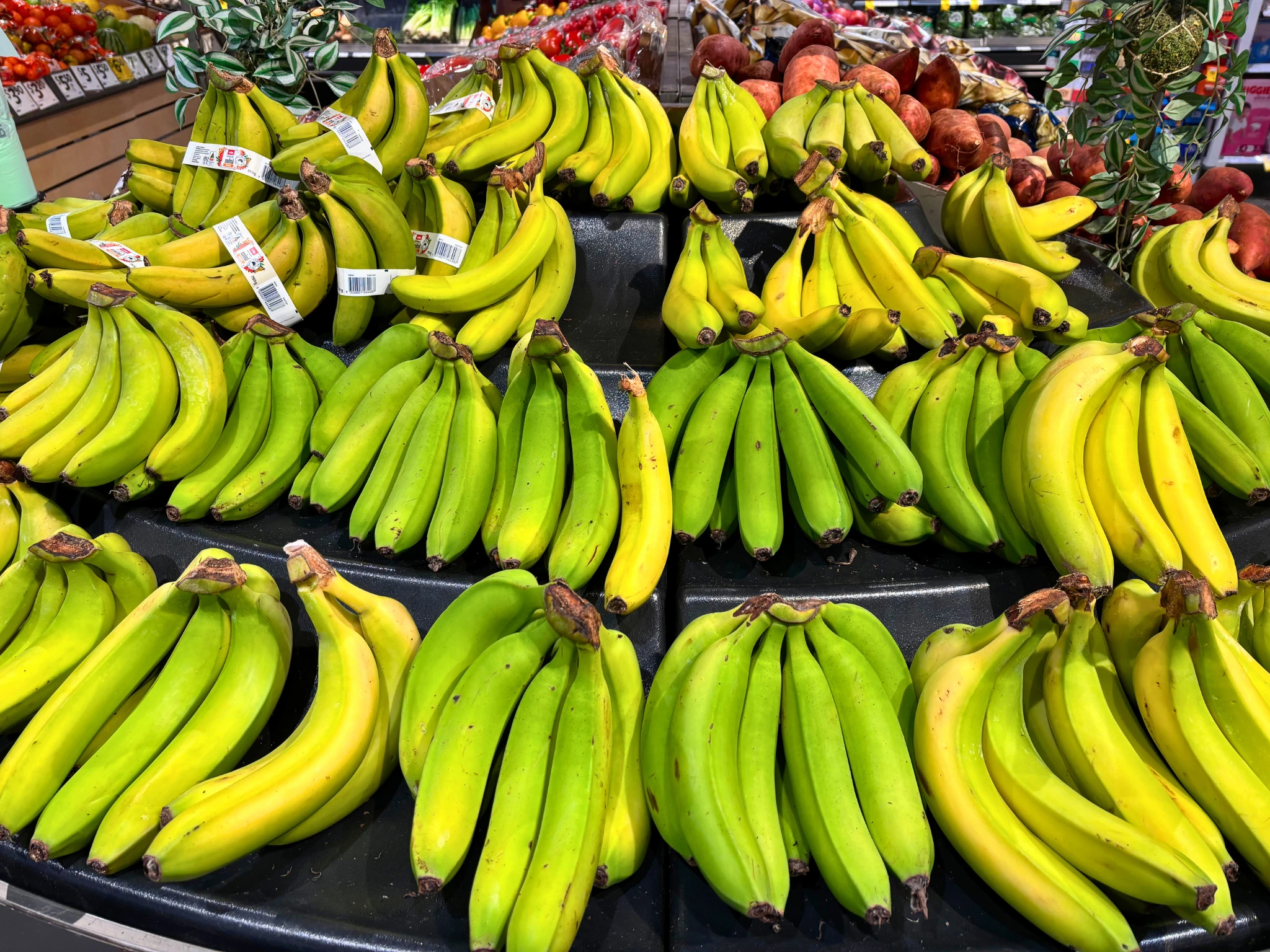
While some store locations still have stock, shoppers are finding much smaller displays, fewer varieties and unusually green bananas.
The root cause of the banana shortage stems from unseasonably cool September weather across Far North Queensland, where about 95 per cent of Australia’s bananas are grown. Because the yellow fruit needs high heat and tropical humidity to thrive, the cold temperatures have stalled maturation and delayed the harvest.
On top of this, high diesel prices have added millions in weekly transport costs to deliver the fruit from regional farms to the southern capital cities.
Supermarket notices warn shoppers of limited stock through late October, but supply levels are expected to return to normal by November. The Bureau of Meteorology predicts above-average temperatures over the next month or so in Coffs Harbour – another key banana-growing region – which should help make up for shortages in Far North Queensland.
Since the banana shortage is driven by temporary growth delays rather than crop destruction, prices should return to normal as supplies bounce back in November.
Every banana sold in major Australian supermarkets is proudly 100 per cent locally grown due to strict biosecurity rules designed to protect our farms from foreign pests and plant diseases.
Discover Time Out original video