[category]
[title]
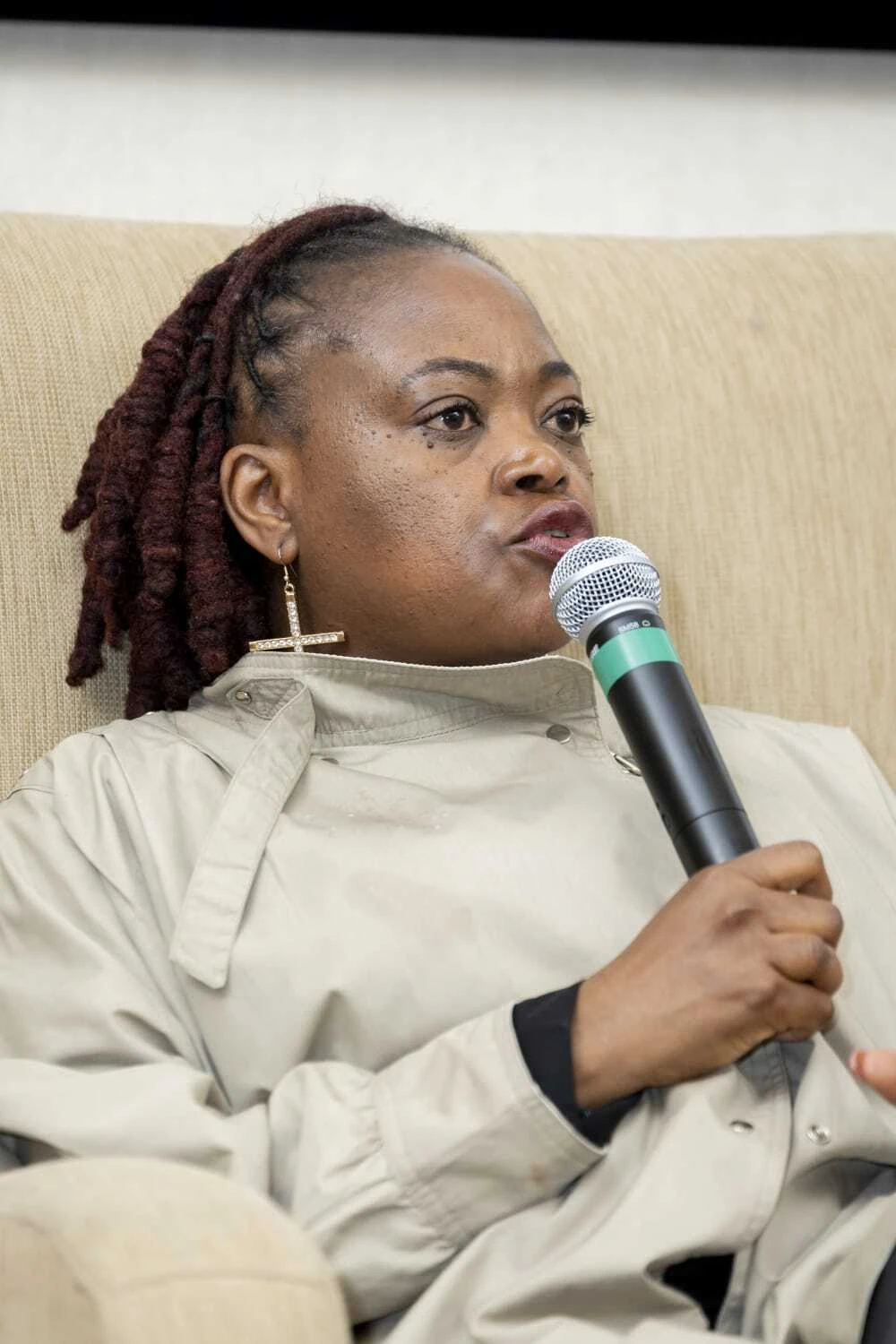
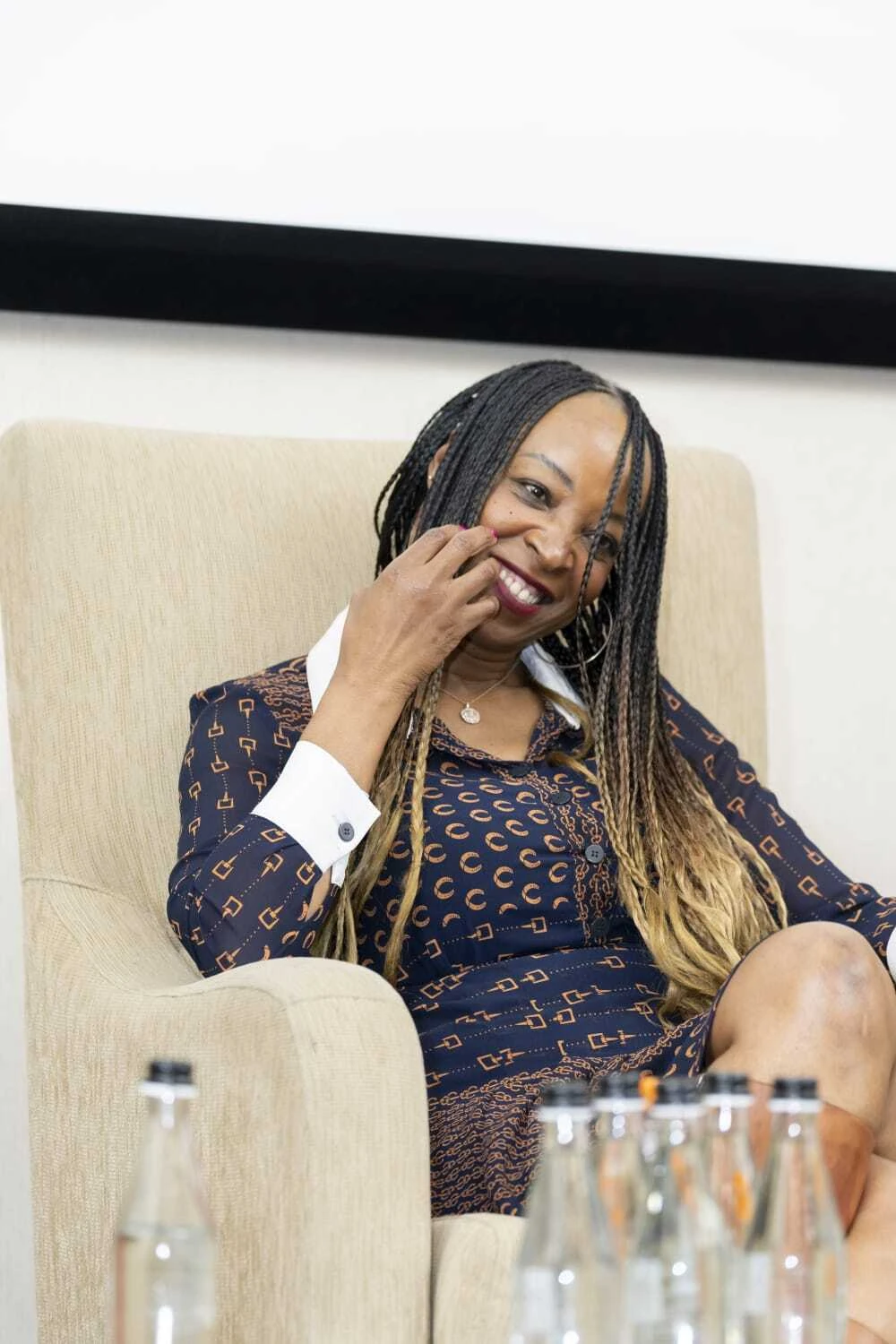
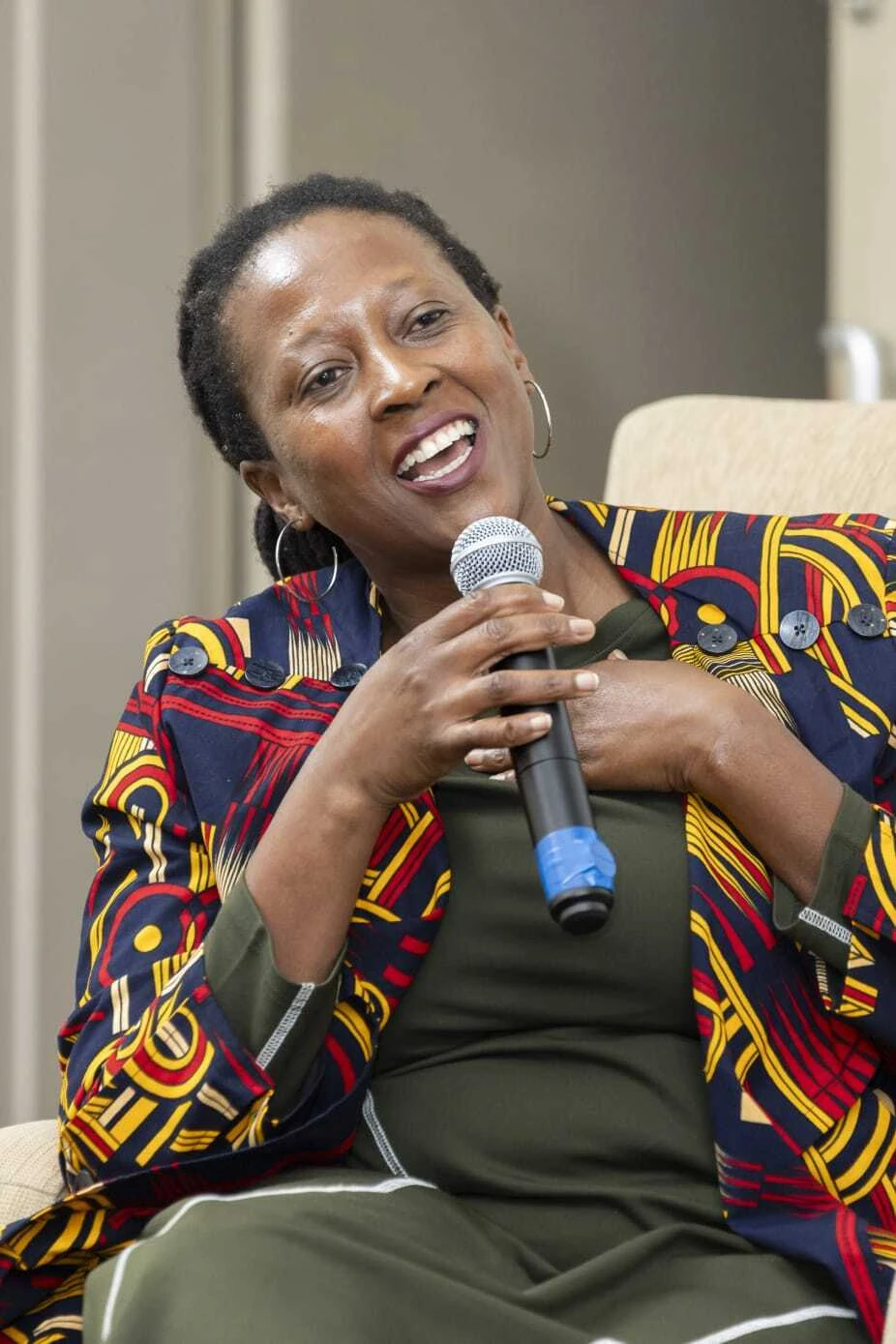
Award winning authors Sue Nyathi, Angela Makholwa and Nozizwe Jele who have all had their novels adapted, unpack their various journeys.


What happens when you put Sue Nyathi, Angela Makholwa and Nozizwe Cynthia Jele in one room? Not only are they all award-winning authors, but the three women each have novels that have been adapted into high-profile screen productions.
The Johannesburg Institute for Advanced Study (JIAS) brought these brilliant literary minds together to unpack their respective journeys in a discussion dubbed From Script to Screen: Women In Literature And Film. Given the controversies currently unfolding in Hollywood—with Children of Blood and Bone author Tomi Adeyemi walking away entirely from her adaptation—it’s an important time to have this conversation.
Angela has had three adaptations. Her novel The 30th Candle was adapted into Netflix’s Love, Sex and 30 Candles, Showmax adapted Red Ink a few years later and viewers are currently relishing Critical But Stable on Mzansi Magic. Nozizwe’s Happiness is a Four-Letter Word went through an interesting phase because it gave birth to a three-part feature film trilogy, even though the book does not have a literary sequel. Sue Nyathi’s The Polygamist needs no introduction, as it sat in the number one spot in more than 60 countries upon its Netflix release.
When a book is adapted, Nozizwe says it’s critical for viewers to watch the film or TV series and still be able to recognise the mother novel. Authors who want a successful crossover need to be open to learning because while you might be an expert in literature, the television industry is an entirely different ball game.
The producers and directors are experts in their own right, just in a different field. The originating author needs to be cognisant that these are experienced professionals who have been navigating TV production for years and therefore understand the business better.
“Watching the film for the first time, I remember feeling like I had been punched in the gut because it was not what I expected it to look like. The story felt like it had been heavily compromised, but the later adaptations were much more enriching,” Angela said of her first adaptation.
View this post on Instagram
She went on to executive produce her two follow-up adaptations. Sue is a screenwriter herself but was not involved in the production of her Netflix series; however, she recognises the good that came out of the adaptation. Nozizwe, who was deeply involved in the development of her adaptation, spoke highly of the National Film and Video Foundation’s (NFVF) support during the process.
“There’s now a global spotlight on Southern Africa. A door has been opened for many more writers to go through, whereas previously the spotlight fell heavier on West African writers,” she said.
The importance of reading your contract and understanding your adaptation rights as an author cannot be overemphasised. Literature does not pay much in South Africa, so it’s vital for authors to educate themselves about the other opportunities their books can create and to understand the logistics of these alternative creative spaces.
Sue’s novel was initially rejected by a host of publishers, prompting her to turn to self-publishing. The Polygamist was only picked up after three attempts, but the author notes she was not actively canvassing for an adaptation at the time.
“I was later published by a traditional publisher, but I understood the importance of reserving my rights because I learnt a lot from my prior experiences.”
“Everything before this adaptation has been a learning curve, so we need to start thinking of books as doorways to other income streams. We must also think of creativity as a business,” Sue said.
Nozizwe echoes Angela’s sentiment that authors need to have a serious conversation with themselves about whether they have the emotional bandwidth to be involved in a production. The two women agree that the process is not for the faint-hearted, as some of your narrative darlings will get killed to give the novel visual appeal for a television audience.
“Nobody said authors aren’t allowed to be part of the production process; it just depends on how heavily you want to be involved. It’s a personal decision, so some authors choose to take their money and go,” said Nozizwe.
However, she cautions that giving away your rights means giving someone else the creative licence to turn your book into whatever product they see fit.
Follow Time Out Johannesburg on Facebook, TikTok and Instagram! While you're at it, sign up for our newsletter to receive even more of the best of your city.
TIME OUT JOHANNESBURG RECOMMENDS:
📍 The best things to do in Johannesburg
🏨 The best hotels in Johannesburg
🍽 The best restaurants in Johannesburg
🛏️ Where to stay in Johannesburg
📢 Latest news from Johannesburg
Discover Time Out original video