[category]
[title]
It’s peak platypus breeding season, so if you fancy an early wake up and a day trip, take your chances and go platypus watching


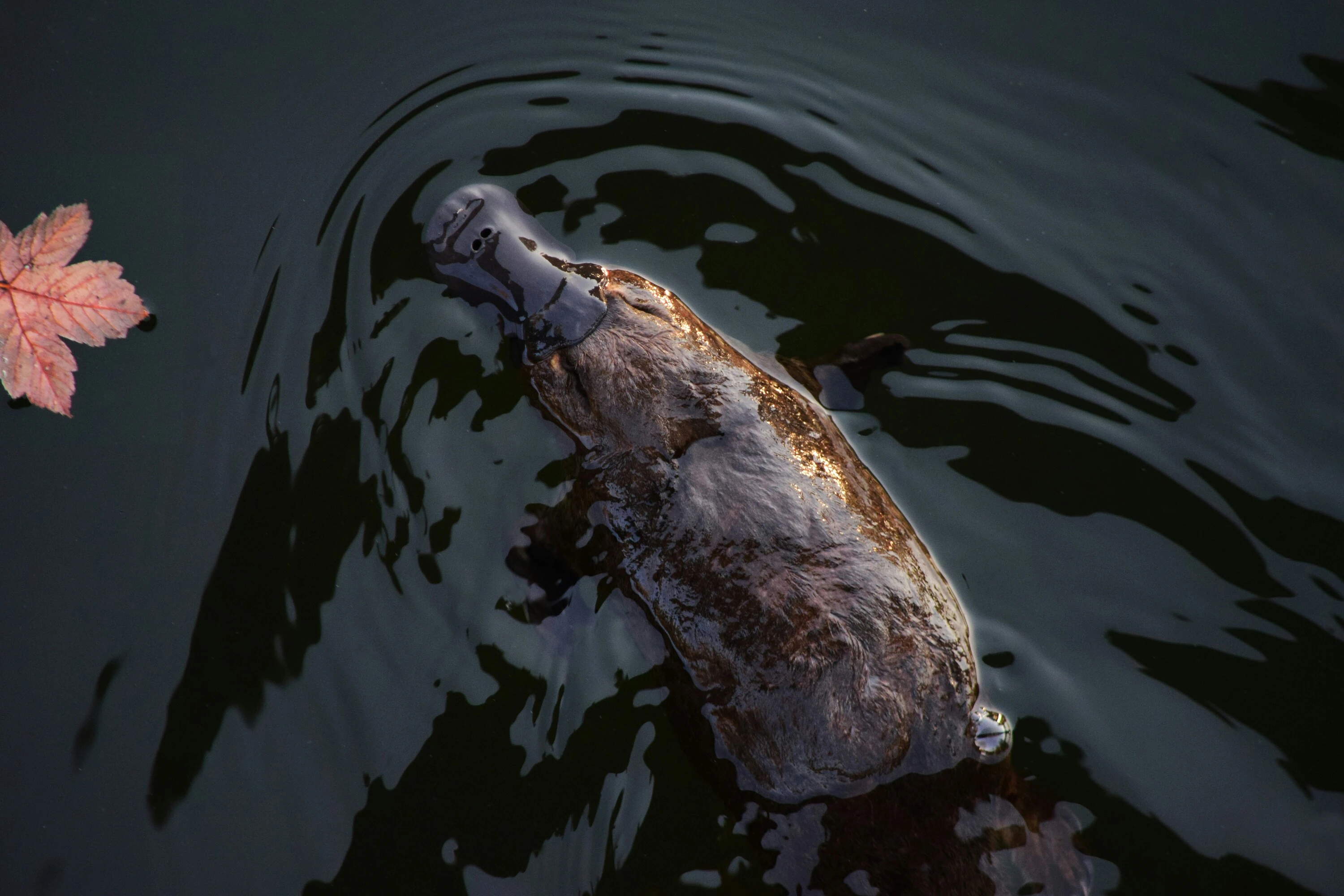
We may be slightly biased, but native Australian animals are some of the cutest out there. One of our favourites is the shy little platypus, but getting a glimpse of them out in the wild is a rarity. While difficult, it’s not impossible – especially if you’re willing to have an early start.
We’re nearing the end of what’s considered to be the best time to see platypuses in the wild all year, so if you’re eager to get a visit to your favourite Aussie animal (hey, maybe it could be your spirit animal), consider this your guide to tracking them down.
Platypus breeding season is when you’re considered most likely to spot a platypus in the wild as adults are much more active during this period – especially the males as they prepare for breeding. The adorable little creature also spends extra time foraging during this time.
Platypuses are nocturnal, so if you want to increase your chances of spotting one, head to your lookout spot at dawn or dusk.
Breeding season typically begins around late July to early August and goes until November. If you’re lucky enough, you may even catch a male and female platypus in a mating ritual, where they do an aquatic dance before… getting to it. The male grasps the tip of the female’s tail with his bill and they swim in tight circles and dive together.
You may also find female platypuses gathering burrow materials, including wet grass, reeds and leaves.
When you go searching for platypuses in the wild, the best place to look for them is healthy, bushy creeks, rivers, lakes and billabongs. They live where the water is calm, so don’t bother searching where the water might be a little unpredictable at times.
Some places where you’re most likely to find a platypus include:
Bring a pair of binoculars, keep quiet and very still. The easiest way to spot them is to look for their dark, paddle-like tail, or if they’re swimming, look for a V parting through the water. You can also check the website, PlatypusSPOT, where people log their recent sightings.
Stay in the loop: sign up for our free Time Out Melbourne newsletter for the best of the city, straight to your inbox.
Discover Time Out original video